
Celebrate the Spirit of Renewal: A Guide to Pohela Boishakh 1433
As the scorching heat of Chaitra gives way to the refreshing breezes of Baisakh, Bangladesh and Bengali communities worldwide prepare to welcome Pohela Boishakh—the Bengali New Year. It is more than just a date on the calendar; it is a vibrant explosion of culture, a tribute to our agrarian roots, and a powerful symbol of unity.
Whether you are celebrating in the busy streets of Dhaka or from afar, here is everything you need to know to embrace the spirit of Borsho Boron.
The Essence of the New Year
Pohela Boishakh marks the first day of the initial month, Boishakh, in the Bengali solar calendar. Historically linked to the Mughal era’s tax collection cycles (Fasli San), it has evolved into a secular festival that transcends religion. It’s a day for Nabo Barsho—a fresh start where old debts are settled, and new hopes are ignited.
Traditions That Define the Day
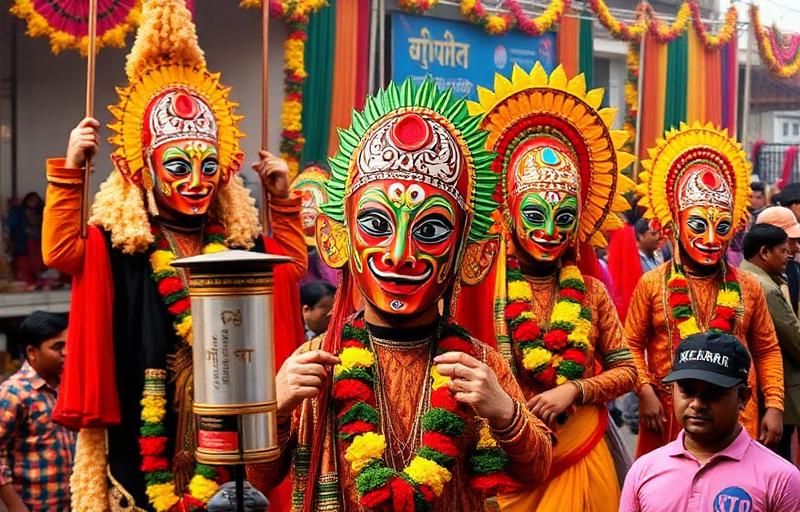
- Mangal Shobhajatra: Recognized by UNESCO as an Intangible Cultural Heritage, this “Procession of Good Fortune” is the heartbeat of the celebration. Students of the Faculty of Fine Arts (Charukala) at Dhaka University lead the way with massive, colorful masks and replicas of birds, tigers, and folklore symbols, representing a collective wish for peace and progress.
- Halkhata: For shopkeepers and traders, this is the day of the “New Ledger.” Business owners invite customers and well-wishers to settle old accounts and start the year with a sweet treat and a fresh book.
- Chayanaut at Ramna Batamul: The day begins at dawn with the soulful renditions of Tagore’s “Esho Hey Boishakh” under the ancient banyan tree at Ramna Park. The melody welcoming the new sun is a spiritual experience for many.
A Feast for the Senses
No Bengali festival is complete without a culinary spread. On Pohela Boishakh, the menu is intentionally traditional:
- Panta Ilish: The iconic dish of soaked fermented rice served with a fried slice of Hilsa fish, dried fish mash (Shutki Bhorta), green chilies, and onions.
- A Myriad of Bhortas: From potato (Alu) to eggplant (Begun), these mashed delights bring the authentic flavors of rural Bengal to the city table.
- Traditional Sweets: Rosogolla, Sandesh, and Jilapi are shared with neighbors and friends to ensure the year ahead is “sweet.”
Dressing the Part
The visual aesthetic of the day is a sea of Red and White.
- Women: Typically wear white sarees with red borders (Paad), adorned with colorful glass bangles and floral crowns (Gajra).
- Men: Opt for white or red-patterned Panjabis or Fatuas, often featuring traditional woodblock prints or embroidery.
Embracing the New Year in 1433
As we step into a new year, the message remains the same: Shubho Noboborsho! (Happy New Year!). It is a time to discard the “old and weary” and embrace the “new and bright.”
In a world that moves fast, Pohela Boishakh reminds us to slow down, reconnect with our heritage, and celebrate the simple joy of being together.