In Bengali culture, greetings are more than just words; they often reflect the time of day, the religious background of the speakers, and the level of respect between them. Since you are in Tongi, you’ll hear these daily.
Here is a guide to the most common ways to say hello and goodbye in Bangla.
1. Universal & Religious Greetings
In Bangladesh, greetings are often influenced by the speaker’s background, but they are understood by everyone.
- As-salamu Alaykum (আসসালামু আলাইকুম): The most common greeting used by Muslims. It means “Peace be upon you.”
- Response: Wa Alaykum as-Salam (ওয়া আলাইকুম আসসালাম) — “And peace be upon you too.”
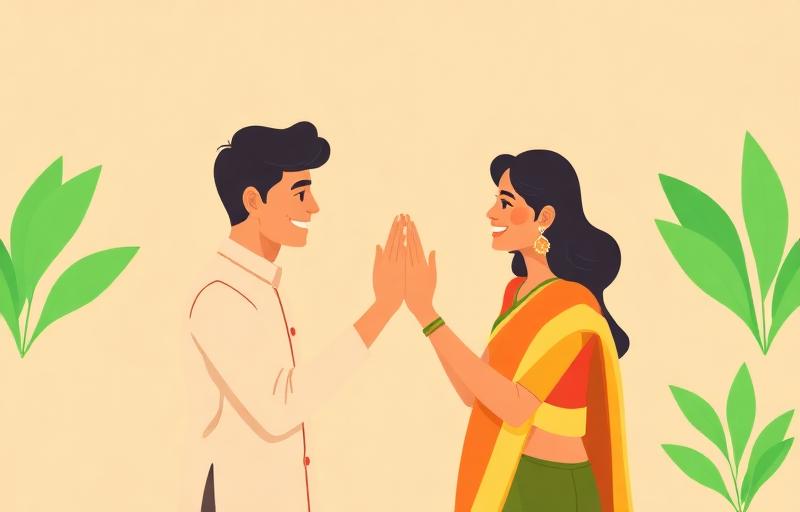
- Adab (আদাব): A secular, respectful greeting often used by Hindus or in formal/social settings to address anyone regardless of faith. It is usually accompanied by a slight nod or a hand gesture toward the forehead.
- Namaskar (নমস্কার): The traditional greeting used by Hindus.
2. Time-Based Greetings
While less common in casual street conversation than the religious greetings above, these are frequently used in media, schools, and formal writing.
| English | Bangla | Transliteration |
| Good Morning | শুভ সকাল | Shuvo Shokal |
| Good Afternoon | শুভ অপরাহ্ন | Shuvo Oporahno |
| Good Evening | শুভ সন্ধ্যা | Shuvo Shondha |
| Good Night | শুভ রাত্রি | Shuvo Ratri |
3. Asking “How are you?”
Depending on who you are talking to, the phrasing changes to show the appropriate level of respect.
- Formal (to elders/strangers): আপনি কেমন আছেন? (Apni kemon achen?)
- Neutral/Standard (to peers/friends): তুমি কেমন আছো? (Tumi kemon acho?)
- Very Casual (to close friends/younger siblings): তুই কেমন আছিস? (Tui kemon achis?)
4. Common Responses
- I am fine: আমি ভালো আছি। (Ami bhalo achi.)
- Alhamdulillah: (আলহামদুলিল্লাহ) “Praise be to God”—very common when someone is doing well.
- And you? আর আপনি? (Ar apni? – Formal) / আর তুমি? (Ar tumi? – Casual)
5. Saying Goodbye
Bengalis rarely say “Goodbye” in a way that implies a final end. Instead, the phrasing usually suggests meeting again.
- Khoda Hafez (খোদা হাফেজ): “May God be your protector.” The most common way to say goodbye.
- Abar Dekha Hobe (আবার দেখা হবে): “See you again.”
- Aschi (আসি): Literally means “I am coming,” but used to mean “I’m leaving now (but I will return).” It is considered more polite than saying “I am going.”
6. Politeness & Respect
- Thank you: ধন্যবাদ (Dhonnobad)
- Please: দয়া করে (Doya kore)
- Welcome: স্বাগতম (Shagotom)
- Sorry/Excuse me: মাফ করবেন (Maaf korben) or দুঃখিত (Dukkhito)